Assessment & Consulting
We audit the existing application, architecture, dependencies and infrastructure to understand what should stay, what needs to change and where modernization will have the biggest business impact.
We provide legacy application modernization services that improve outdated architecture, infrastructure, integrations and codebases without disrupting the business logic that still works. Our end-to-end approach covers discovery, architecture, engineering, QA and migration, helping teams reduce maintenance costs, improve reliability and create systems that are easier to change and scale.
We audit the existing application, architecture, dependencies and infrastructure to understand what should stay, what needs to change and where modernization will have the biggest business impact.
We restructure outdated code and remove technical debt without throwing away working business logic. We create a codebase your team can maintain, extend and release with confidence.
We replace rigid architecture with a structure that can scale and evolve. This can mean modularizing a monolith, introducing services where they make sense, or redesigning the application around clearer boundaries.
We move applications from aging infrastructure to modern cloud environments while accounting for data, integrations, security and operational continuity.
We introduce modern APIs and integration layers around legacy systems so they can work with newer applications, third-party services, CRMs, ERPs and data platforms without replacing the core immediately.
We clean up, transform and move legacy data while preserving the information the business depends on. Migration is tested against the source system before production cutover.
Upgrading legacy fleet, routing, tracking, shipment management, and supply chain systems.
Modernization of legacy payment, KYC, financial operations, and account management systems.
Modernization of legacy patient platforms, healthcare workflows, data systems, and administrative tools.
Revamping legacy cloud platforms, subscription systems, multi-tenant applications, and business workflows.
Modernization of legacy POS, customer platforms, and retail operations systems.
Transforming legacy property platforms, listing management, tenant workflows, and real estate operations systems.
The engineers assessing your legacy system are the people who work on the modernization. There is no handover from a sales team to a different delivery team after the contract is signed.
We do not recommend a rewrite simply because the technology is old. If a component works, we look for ways to keep it. We focus the budget on the parts creating real technical or business problems.
We modernize legacy systems in stages, reducing technical risk, preserving business logic and allowing your teams to continue operating while the underlying technology evolves.
Architecture, backend, frontend, DevOps and QA work as one senior team throughout the modernization process.
“RERO delivered a fintech marketplace platform end to end, increasing application submissions by 40%, reducing KYC processing time by 60%, and maintaining over 99% uptime. The team had smooth project management, met all deadlines, and responded quickly.”
We map the current architecture, codebase, integrations, infrastructure and data flows. We identify technical debt, critical dependencies and the areas creating the most risk.
We define what to refactor, rearchitect, migrate, replace or keep. You get a prioritized roadmap based on technical risk, business value and budget.
We design the target architecture, migration approach and release strategy. At the end of the phase, you have a clear scope, implementation plan and fixed estimate.
We modernize the system in controlled releases. Each stage delivers working improvements while the existing application continues supporting the business.
We test the modernized components against existing behavior, validate integrations and data, then release in stages with an option to continue maintenance and further modernization.
Years of patches have made even small changes risky. We first map the system and its dependencies, then isolate the areas that need attention so modernization becomes a sequence of manageable changes.
Manual deployments, tightly coupled components and fragile environments make releases expensive. We improve architecture and delivery pipelines so teams can release smaller changes more safely.
When the architecture has become the bottleneck, adding another feature only increases the problem. We create cleaner boundaries and modern interfaces so new functionality can be built without fighting the old system.
Older hosting environments often require specialist knowledge and manual intervention. We assess what can move to modern infrastructure and choose a migration path based on the actual requirements.
Modernization helps you extend the life of a system your business already depends on. We remove the technical limitations that slow down growth, releases and day-to-day operations.
Your legacy system contains business logic, workflows and data built up over years. We preserve the parts that still work, modernizing the components that create problems.
Replace fragile code, outdated dependencies and tightly coupled components with a cleaner architecture that is easier to maintain, test and extend.
Modernize the architecture, development workflow and deployment process so your team can introduce new features without putting the entire application at risk.
Address slow processes, infrastructure bottlenecks and fragile integrations to make the application more stable, responsive and predictable as usage grows.
Years of undocumented changes, integrations and workarounds make the application difficult to assess.
We inspect the architecture, code, dependencies, data flows and deployment process before recommending major changes, creating a modernization plan tailored to your system.
The application may support revenue-generating or mission-critical processes that cannot simply be switched off.
We break the work into controlled stages and introduce new components gradually. Old and modernized parts operate together until the transition is proven where needed.
Some components are outdated but stable. Others are actively blocking growth.
We assess each major component by business value, technical risk, maintenance cost and future requirements. Sometimes the right answer is refactoring. Sometimes it is rearchitecting or replacing one part entirely.
A modernization project can improve the codebase without fixing the way changes are delivered.
We improve testing, CI/CD, environments, observability and documentation alongside the application itself, so the system stays maintainable after the project ends.
Ranges below are based on our own delivered projects and assume a European delivery team. The final scope, team composition and fixed price are defined through a paid discovery phase.
$8k–15k
$40k–90k
from $3k per month
FDE rates are indicative and may vary based on the level of expertise and project requirements.
Information security management, audited annually.
Data processing agreements and EU-hosted infrastructure on request.
Verified client reviews, 4.9 average rating.
Process and infrastructure for regulated healthcare products.
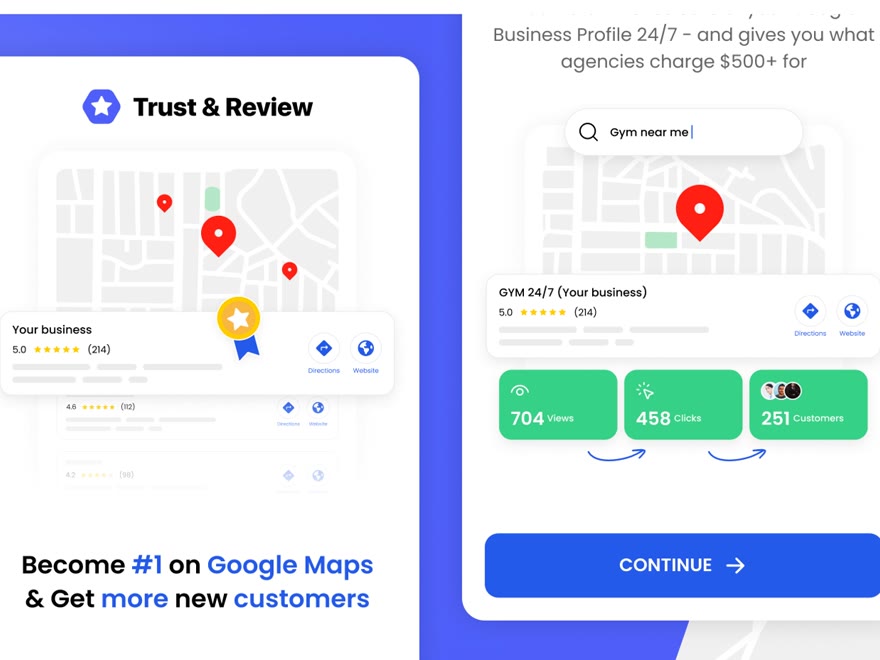
An AI-powered Google Business Profile assistant that helps local businesses climb to the top of Google Maps.
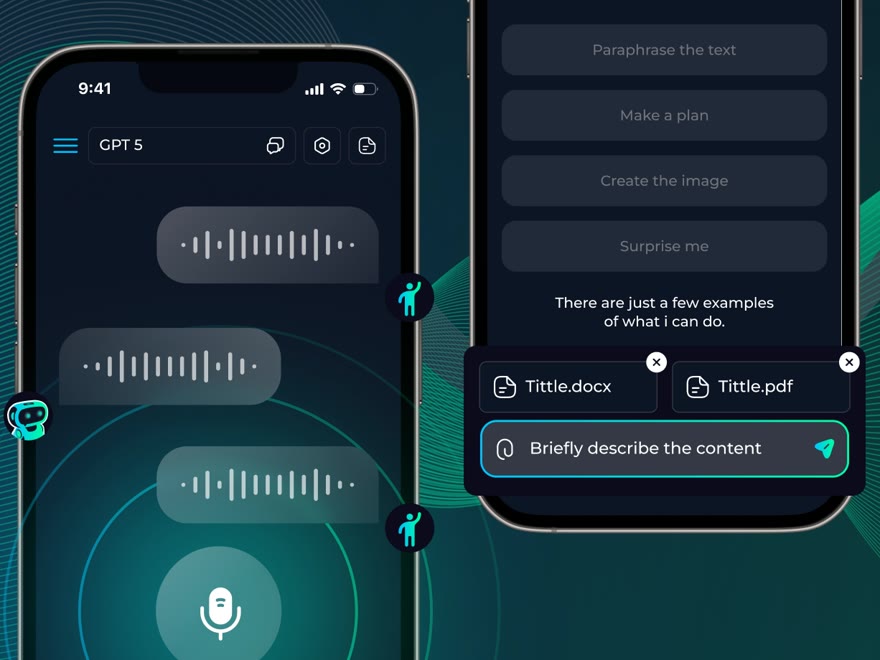
AI chat app with voice input, document analysis, and image generation.

App for transforming still images into AI dance videos.
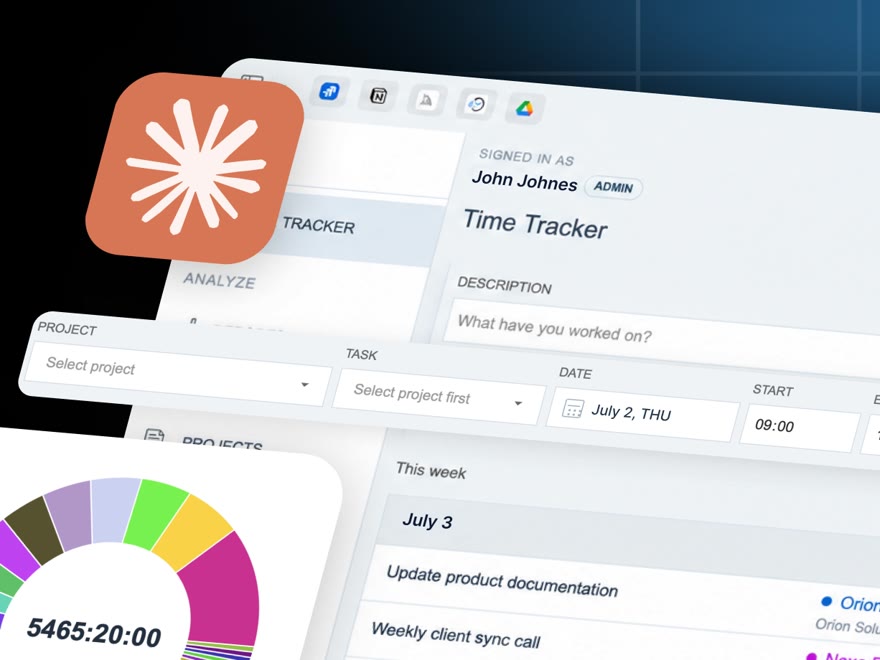
AI-powered platform for project management, time tracking, and team collaboration.
A focused modernization can take a few months. Larger applications with multiple integrations, data migration and architecture changes can take more than six months. We define the scope and milestones after assessing the existing system.
Not by default. A rewrite can make sense when the existing system is fundamentally unmaintainable, but it also means rebuilding years of business logic and edge cases. We first assess whether incremental modernization can deliver the result with less risk.
Yes. We can assess whether rehosting, replatforming, refactoring or a hybrid approach makes the most sense. The right strategy depends on the application's architecture, infrastructure, dependencies, security requirements and expected workload.
Yes. Discovery is a paid, standalone engagement. It gives you an assessment of the current system, modernization options, target architecture, prioritized roadmap and fixed estimate. You can use those deliverables whether or not you continue with Rero.
You do. The source code, repository, infrastructure and documentation belong to you. Continuing support with Rero remains optional.
Custom CRM platforms built around your workflows, data, and business processes.
Custom software designed around your specific business needs, workflows, integrations, and growth requirements.
Secure B2B portals that connect teams, partners, customers, and business systems.
Custom applications that connect your workflows, data, and teams in one place.
Extend your engineering capacity with senior developers across web, mobile, and AI.
AI-powered features and custom AI agents built into your software and workflows.
Tell us what is holding your current application back. We start with a technical assessment, identify the highest-risk areas and outline a practical modernization path.
Or write to info@rerotech.com